Descriptors and Controlled Attributes in Python
In this article, you will learn what Python descriptors are and how to use them to build three types of controlled attributes: validated, computed, and lazily loaded. Topics we
Read More
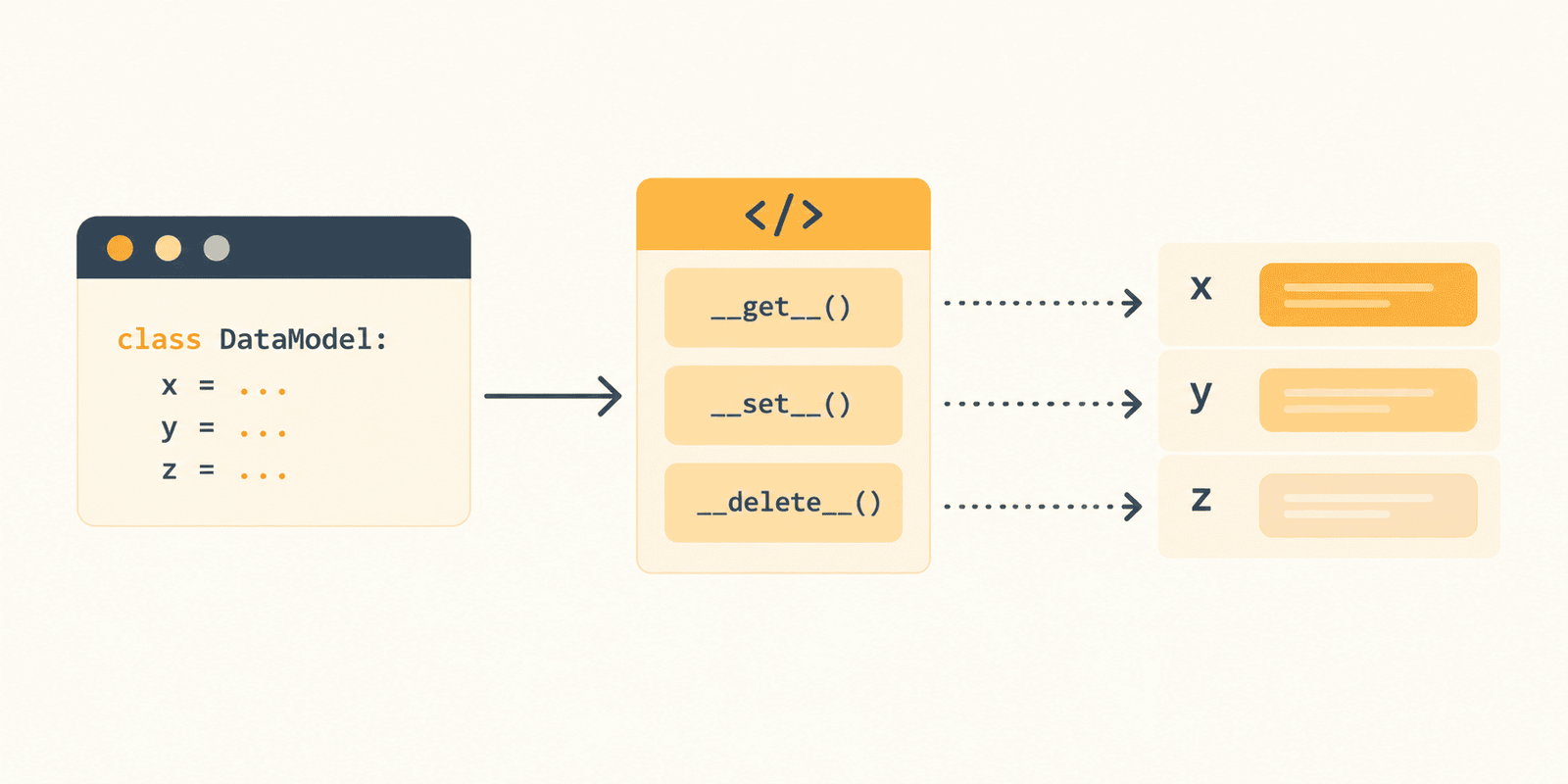
In this article, you will learn what Python descriptors are and how to use them to build three types of controlled attributes: validated, computed, and lazily loaded. Topics we
Read More
“Just because you consume tokens doesn’t automatically mean there is a bank and you can start having a teller to withdraw money.” That is how Satish Viswanathan sums up
Read More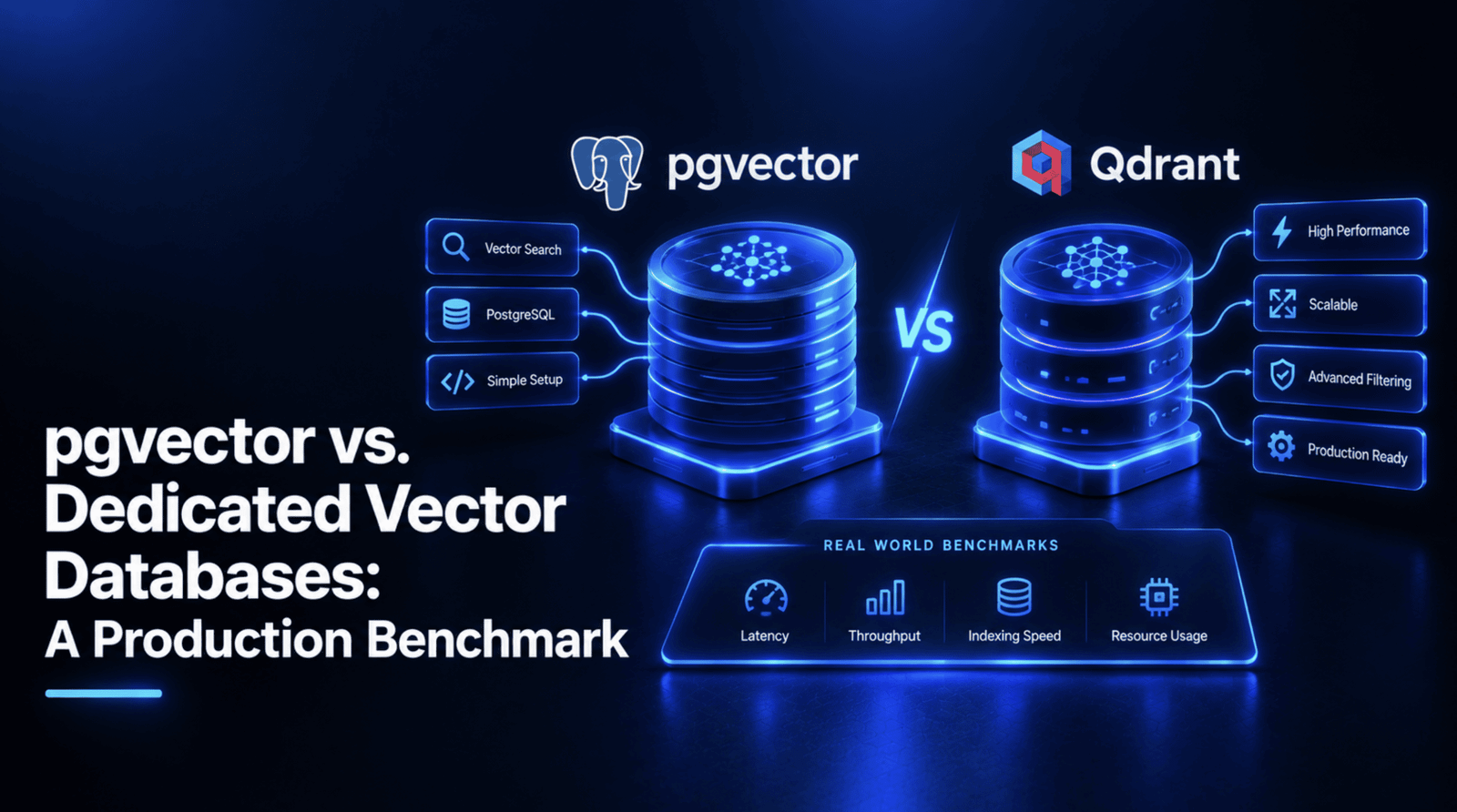
In this article, you will learn how pgvector compares to dedicated vector databases in terms of real, measured performance, and how to decide which approach suits your production workload.
Read More
Bengaluru-based eMudhra will exit its global SSL/TLS certificate business after a security incident prompted Google, Mozilla, and Apple to block affected certificates. The company said on Thursday that its
Read More
Speeding up robotics development By bringing together advanced visual-semantic reasoning, deep physical understanding, and autonomous code generation, Argon unlocks new workflows across the robotics stack and accelerates progress toward
Read More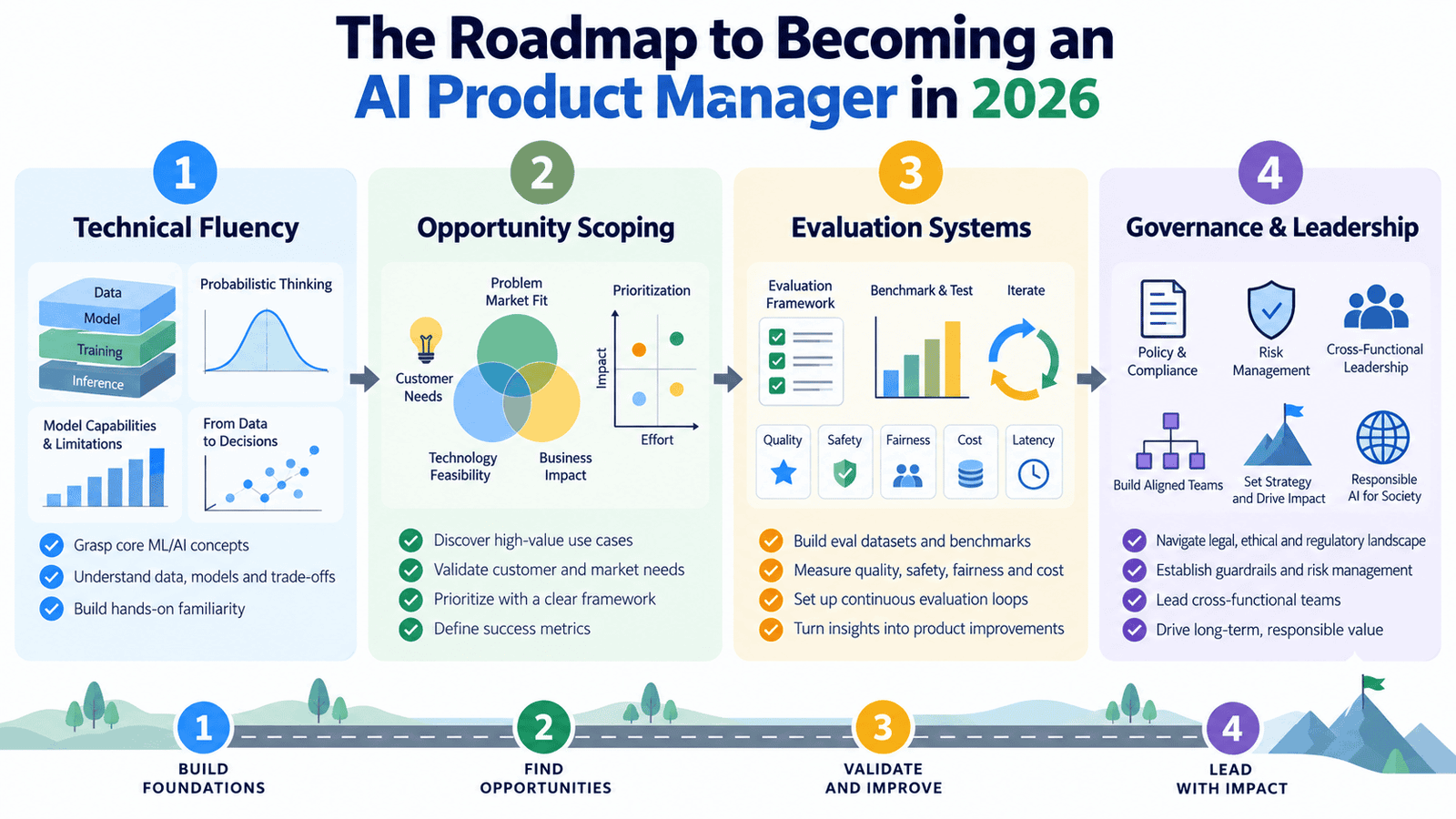
AI is reshaping how products are built, shipped, and measured. Companies are finding that the gap between a promising AI prototype and a product users actually trust isn’t a
Read More
In this article, you will learn what model distillation is, how it has evolved for large language models, and why it has become one of the most contested topics
Read More
Wipro is counting on two unsigned deals to reverse a sharp decline in bookings. It is also banking on artificial intelligence (AI) to change how it wins and delivers
Read More
Gemini 4 Argon marks a step change in physical understanding, code generation, and visual-semantic reasoning—unlocking new workflows across the robotics stack and accelerating progress toward physical AGI. You can
Read More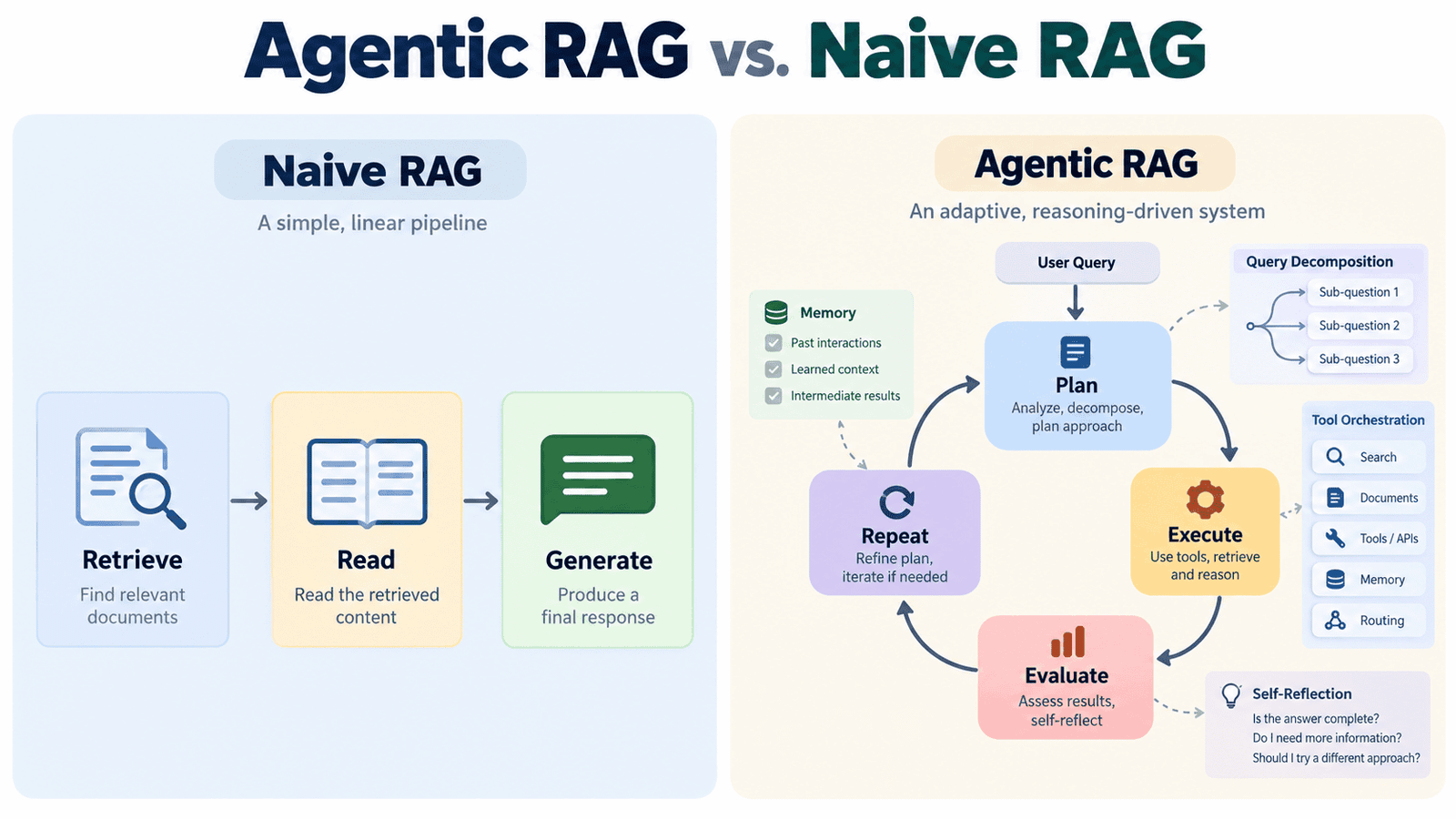
Large language models are remarkable text generators, but they have a well-documented weakness: they hallucinate. Without access to verified, up-to-date information, they confidently produce plausible-sounding answers that are factually
Read More