
In a digital world dominated by text-based search and countless suggestions, our ability to visually comprehend information still lags behind. People can point their cameras at anything, yet rarely receive deeper meaning or cultural context in return.
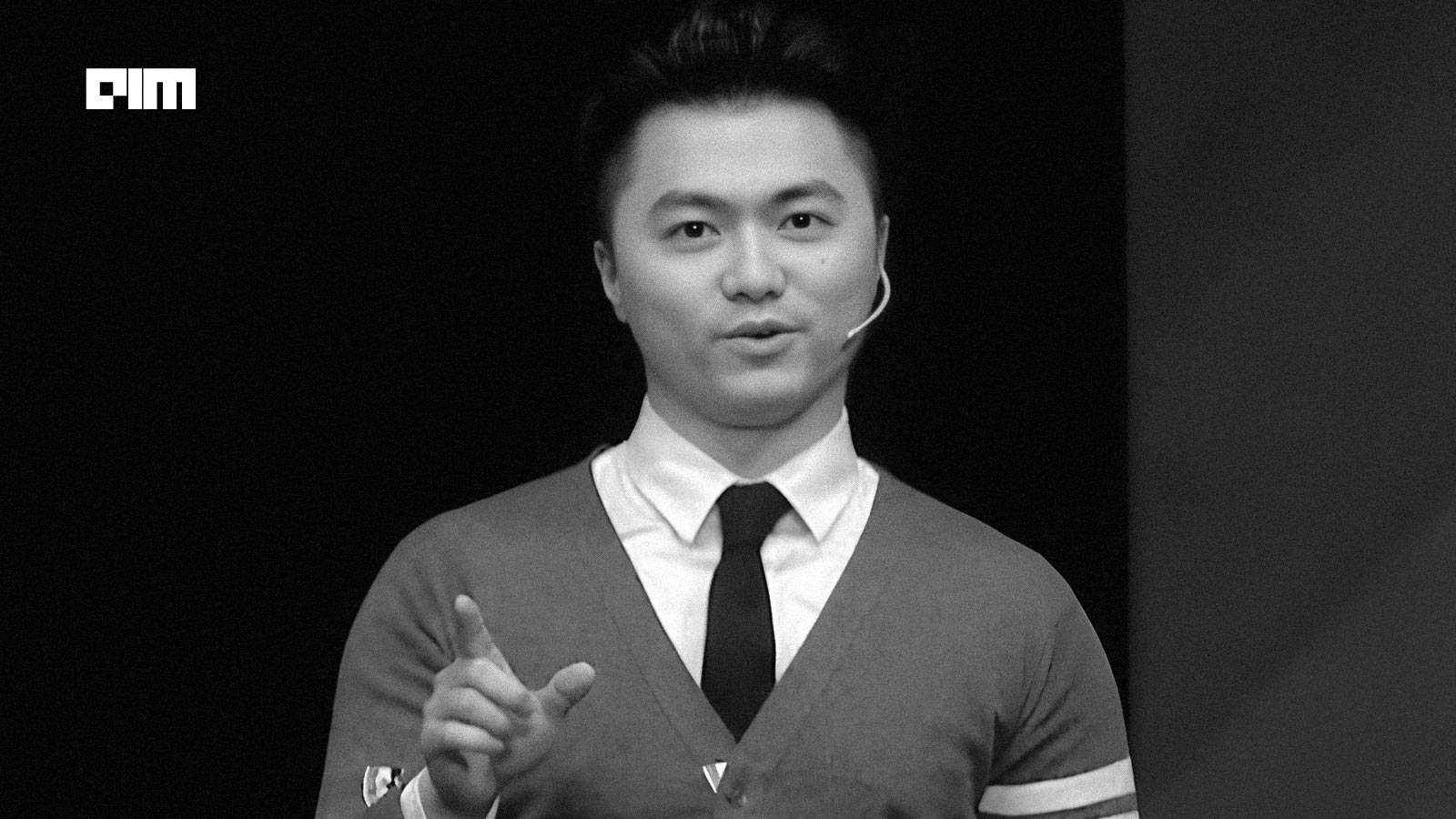
Chance AI emerged this year from a similar human experience. As founder Xi Zeng recalled, standing before Sagrada Família in Spain 15 years ago left him awestruck, but online searches returned nothing more than “ticket links and souvenir advertisements,” a moment that convinced him the internet had become “great at selling, but very, very poor at explaining.”
His new venture, which already counts India as nearly a third of its user base, is built on that gap.
Chance AI positions itself as a visual reasoning engine designed not for transactions, but for context, culture and curiosity. Zeng describes it as “a combination of Google Lens and Instagram,” built around a simple loop: snap, understand and act.
While the company has secured seed funding, it is expecting to raise $7 to $10 million to fund its growth.
Building a Visual Intelligence Layer
Zeng believes visual reasoning, not text generation, will define the next shift in personal computing. “Our mission is to make AI that ensures curiosity, context and cultural understanding, not just convenience and productivity,” he said to AIM.
Chance AI uses a post-trained visual reasoning model developed in-house, while relying on major LLMs such as Gemini and GPT for the generative layer. The difference lies in the company’s ability to process data more efficiently than its competitors.
The company shared a benchmark comparison between major AI models when it comes to visual reasoning:
This foundation powers Chance AI’s growing ecosystem of “visual agents,” including popular features such as outfit feed tracking, skin assessments, and menu translation with dish imagery.
“All these agents are co-created with our community, and it’s like a small app store within the app,” Zeng said. So we are quite confident in the long-term competition because the things that we are building are not just built by us, it’s built by the whole community.
Competing With Big Tech by Moving Faster
Zeng is blunt about competing with large companies. “The only moat that we have is momentum,” he said, explaining how the company has no quick solution to stay ahead if big tech companies copy the idea.
He believes established firms are constrained by their business models. “Google makes profits from advertising. They have a specific business model that they can’t escape from.”
Chance AI, instead, focuses on curiosity-driven search, visual memory summaries, and a community layer built around visual taste, elements he says Google would never pursue.
Future Outlook
Zeng’s relationship with India began during his years at OnePlus and TikTok. He described the country not merely as a user base, but as a creative force. “India is not just a market, it’s a movement,” he said.
India now sits at the centre of Chance AI’s creator strategy, with the company accelerating its on-ground momentum through student-led communities, multi-platform expansion and a focused push to solve creators’ biggest constraint, the lack of time. With more than 100 million active creators in the country, the platform aims to help them turn ideas into publish-ready visuals within seconds, removing the friction of continuous ideation, shooting and editing.
Its upcoming “Chanced by Creators” program will onboard leading Indian creators with early access, challenges and incentives, culminating in a Times Square UGC showcase spotlighting global submissions. The initiative reflects a broader ambition to position Indian creator talent on a world stage and reinforce a simple message, “Don’t think. Just Chance it.”
In that context, Chance AI is now partnering with Indian design universities and communities to develop what Zeng calls a co-creation strategy, aiming to absorb “India’s sense of design, rhythm and storytelling.”
The company claims to have approximately 200,000 users and aims to reach one million. Hardware is the next frontier, with Zeng envisioning a wearable “third eye” that understands the world in real time. He even sees Chance AI becoming a key layer atop devices like Meta’s Ray-Ban glasses.
Zeng wants to focus on growth first and then look at monetisation. He’s betting on Meta’s growth to chart his company’s success. Chance AI’s longer-term ambition is to license its visual reasoning stack to future AI hardware, including glasses from mainstream brands. The team is also exploring open-sourcing parts of its technology to support visually impaired users.